
Cryotherapy
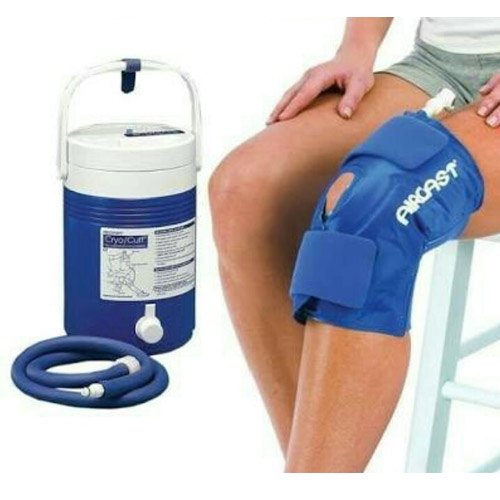
Cryotherapy
Cryotherapy, or cold therapy, is a widely used treatment modality in physiotherapy that involves the application of cold to body tissues to reduce inflammation, pain, muscle spasm, and swelling. It is one of the oldest and most accessible forms of physical therapy, used in both acute injuries and chronic conditions to enhance recovery and restore function. By constricting blood vessels, it helps control internal bleeding and limits tissue damage in the early stages of injury. It also provides a numbing effect, which can be especially beneficial for managing post-operative pain and soreness. Common methods include ice packs, cold compresses, ice massage, and cold water immersion. When used appropriately, cryotherapy can accelerate the healing process and improve overall rehabilitation outcomes.
What is Cryotherapy?
Cryotherapy refers to the therapeutic use of cold to achieve specific physiological responses. The term is derived from the Greek words “cryo” (cold) and “therapeia” (healing). It typically involves cooling the skin and underlying tissues to temperatures that cause vasoconstriction (narrowing of blood vessels), which helps in pain relief, controlling edema, and limiting tissue damage after injury.
How Does Cryotherapy Work?
The physiological effects of cryotherapy are primarily centered around reducing tissue temperature, which leads to a slowdown in cellular metabolism, nerve conduction, and blood flow. When cold is applied to an injured area, it causes vasoconstriction, or narrowing of the blood vessels, which in turn reduces blood flow and helps minimize bleeding and swelling, especially in acute injuries. The metabolic rate of cells also decreases, lowering the oxygen demand and helping prevent secondary tissue damage. Additionally, cryotherapy slows nerve conduction velocity, meaning pain signals are transmitted more slowly, resulting in reduced pain perception. It also promotes muscle relaxation by decreasing nerve excitability and inflammation, thereby reducing muscle spasms and tension. Lastly, cryotherapy has an important anti-inflammatory effect, as it inhibits the release of inflammatory chemicals like histamines and prostaglandins, effectively helping to control the body’s inflammatory response.
Types of Conditions Treated with Cryotherapy
Cryotherapy is widely used in physiotherapy for a variety of acute and chronic conditions, including:
- Acute injuries
- Post-operative recovery
- Tendonitis and bursitis
- Muscle spasms
- Joint inflammation
Benefits of Cryotherapy
- Pain Relief
- Reduced Swelling
- Minimized Tissue Damage
- Muscle Relaxation
- Facilitates Early Mobilization