
Vaccum Therapy
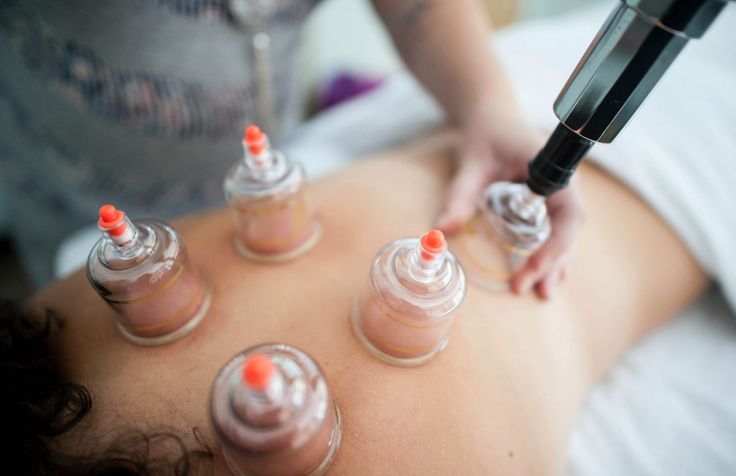
Vaccum Therapy
Vacuum therapy, also known as negative pressure therapy or vacuum-assisted therapy, is a therapeutic technique used in physiotherapy to stimulate circulation, promote healing, and enhance muscle recovery. This method involves the application of controlled suction to the skin and underlying tissues using a vacuum device or suction cups. While traditionally used in wound care, vacuum therapy is increasingly utilized in musculoskeletal and rehabilitation settings due to its non-invasive, drug-free approach to managing pain and dysfunction.
What is Vaccum Therapy?
Vacuum therapy involves creating negative pressure on a specific body part using suction devices or cups. The suction gently pulls the skin and superficial tissues upward, creating a stretching effect that increases blood flow, lymphatic drainage, and cellular activity in the targeted area. This process can relax tight muscles, break up adhesions, reduce inflammation, and enhance tissue healing.
The therapy can be delivered manually (with hand-operated pumps) or using electronic vacuum therapy machines, which allow precise control over the intensity and duration of the suction.
How Does Vaccum Therapy Work?
Vacuum therapy works on the principles of mechanical stimulation and negative pressure, which together produce several beneficial physiological effects. The suction created during therapy causes vasodilation, leading to increased blood circulation that enhances the delivery of oxygen and nutrients essential for tissue repair. It also activates the lymphatic system, promoting the removal of metabolic waste, toxins, and excess fluids, thereby helping to reduce swelling and inflammation. Additionally, the lifting and stretching action on the skin and fascia facilitates myofascial release, easing tension, tightness, and adhesions, which improves overall mobility and flexibility. Vacuum therapy also contributes to pain relief by stimulating mechanoreceptors and modulating nociceptors, thereby decreasing pain perception through neurological pathways. Lastly, the mechanical stimulus from the therapy enhances cellular metabolism, stimulates fibroblast activity, and accelerates the healing of muscles, tendons, and connective tissues, making it an effective tool in rehabilitation and physiotherapy.
Types of Conditions Treated with Vaccum Therapy
Vacuum therapy is beneficial in various rehabilitation and pain management settings. It is commonly used for:
- Muscle tightness and spasms
- Trigger point release
- Chronic back and neck pain
- Postural imbalances
- Scar tissue and adhesions
Benefits of Vaccum Therapy
- Non-invasive and Painless
- Improves Circulation
- Enhances Soft Tissue Mobility
- Reduces Pain and Inflammation
- Supports Tissue Repair