
Manipulation Therapy
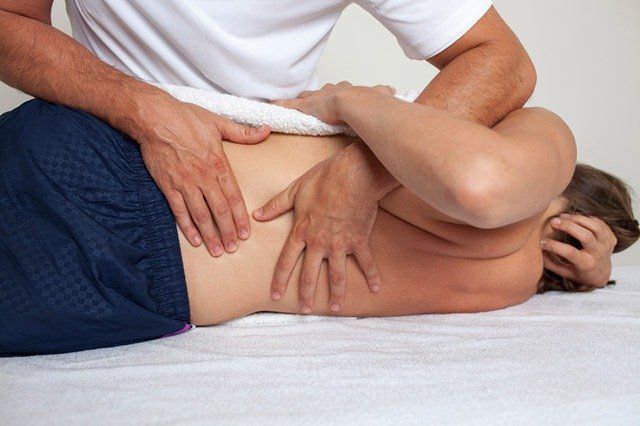
Manipulation Therapy
Manipulation Therapy is a widely practiced non-invasive manual technique used to relieve musculoskeletal pain and restore movement. It involves the skilled application of high-velocity, low-amplitude (HVLA) thrusts to joints and soft tissues to address dysfunction. When performed correctly, manipulation therapy can relieve pain, improve range of motion, and support the body’s natural healing process. With growing clinical support, manipulation therapy has become an essential part of modern rehabilitation practices.
What is Manipulation Therapy?
Manipulation Therapy refers to manual techniques applied to the musculoskeletal system with the intent of improving joint mobility, reducing pain, and enhancing physical function. It typically involves quick, controlled thrusts or adjustments to joints, particularly the spine, but may also target peripheral joints like the shoulder, hip, knee, and ankle.
Unlike massage, which focuses on soft tissues, manipulation targets joint structures and aims to restore normal alignment and mechanics. This therapy is often accompanied by an audible “crack” or “pop,” which results from gas bubbles releasing within the joint (a phenomenon known as cavitation).
How Does Manipulation Therapy Work?
Manipulation therapy works on the principle that restricted or misaligned joints can lead to pain, muscle tension, and impaired mobility. By restoring proper alignment and joint movement, this therapy helps relieve stress on surrounding tissues and enables the body to function more efficiently. The core mechanisms behind its effectiveness include joint mobilization, where quick thrusts restore full motion by breaking adhesions and improving flexibility. It may also provide a neurological reset by stimulating mechanoreceptors and inhibiting dysfunctional pain signals. Additionally, improved blood flow is achieved through better joint alignment, enhancing circulation and supporting the healing process. Manipulation also activates the pain gate theory, where sensory nerves are stimulated to block pain messages from reaching the brain. These combined effects lead to both immediate relief and long-term functional improvement for the patient.
Types of Conditions Treated with Manipulation Therapy
Manipulation therapy is highly effective for a variety of musculoskeletal and neuromuscular conditions, including:
- Back and Neck Pain
- Sciatica
- Joint Dysfunction and Stiffness
- Tension Headaches
- Sports Injuries
- Postural Issues
- Arthritis (Mild to Moderate)
Benefits of Manipulation Therapy
Manipulation therapy is widely appreciated for its holistic and immediate benefits:
- Pain Relief
- Restored Joint Mobility
- Muscle Relaxation
- Improved Posture
- Enhanced Athletic Performance