
Combination Therapy
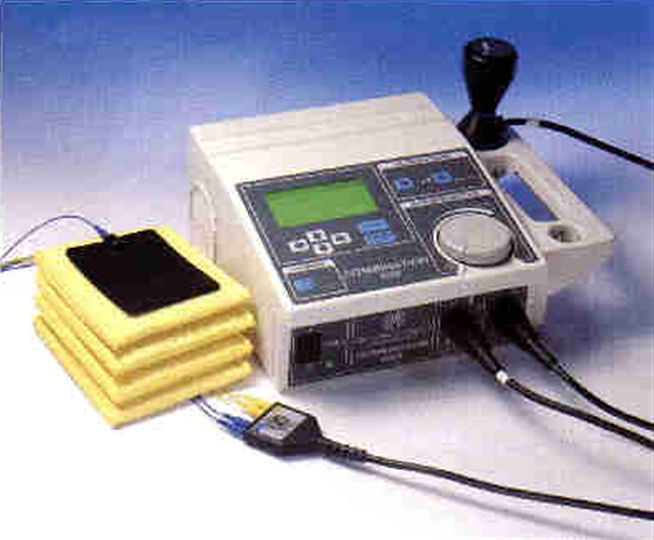
Combination Therapy
In modern physiotherapy and rehabilitation, there is no one-size-fits-all solution. Patients present with unique conditions, pain levels, and healing capacities, making it crucial for healthcare professionals to adopt a multi-modal approach. This is where Combination Therapy steps in—a therapeutic strategy that blends two or more treatment modalities to achieve superior clinical outcomes. Combination Therapy has proven to be especially effective in treating musculoskeletal disorders, sports injuries, and post-operative recovery. By leveraging the synergistic effects of various therapies such as ultrasound, electrotherapy, manual therapy, and exercise rehabilitation, this approach enhances healing, shortens recovery time, and improves overall function and well-being.
What is Combination Therapy?
Combination Therapy in physiotherapy refers to the simultaneous or sequential application of two or more therapeutic modalities within a single treatment session. These modalities may include electrotherapy (such as TENS, IFT, or EMS), ultrasound therapy, manual therapy techniques like joint mobilization and soft tissue manipulation, exercise therapy, heat and cold applications, and advanced treatments like laser or TECAR therapy. The primary objective of combination therapy is to harness the unique benefits of each modality to target various physiological mechanisms concurrently. This integrative approach helps to maximize therapeutic effectiveness, reduce side effects, and shorten the overall duration of recovery.
How Does Combination Therapy Work?
Combination Therapy works on the principle of synergy, where the combined effect of two therapeutic modalities is greater than the sum of their individual benefits. This enhanced effectiveness is achieved through the simultaneous activation of multiple physiological pathways, allowing treatment to target both superficial and deep tissues. By doing so, it improves local circulation, boosts tissue metabolism, modulates neural activity, and helps in reducing pain, inflammation, muscle spasms, and tissue adhesions. This holistic approach makes combination therapy especially effective in accelerating recovery and enhancing overall therapeutic outcomes.
Types of Conditions Treated with Combination Therapy
- Muscle strains
- Sports Injuries
- Ligament sprains
- Musculoskeletal Disorders
- Frozen shoulder
Benefits of Combination Therapy
- Enhanced Pain Relief
- Accelerated Healing
- Improved Muscle Function
- Customizable and Patient-Centered
- Reduced Dependence on Medication