
Continuous Passive Motion
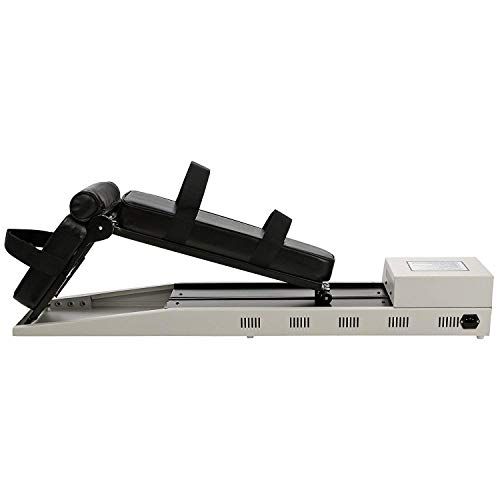
Continuous Passive Motion
Continuous Passive Motion (CPM) is a therapeutic technique widely used in physiotherapy and rehabilitation to assist in the early recovery of joints after injury or surgery. It involves the use of a mechanical device that moves a joint slowly and continuously through a controlled range of motion (ROM) without any active effort from the patient. CPM is particularly beneficial in the early post-operative phase, where joint mobility, pain relief, and tissue healing are crucial.
The concept behind CPM is that motion is essential to recovery, and by passively moving a joint, the body’s natural healing process is enhanced, joint stiffness is minimized, and long-term functional outcomes are improved.
What is Continuous Passive Motion?
Continuous Passive Motion refers to a rehabilitative technique in which a motorized device is used to move a joint (such as the knee, shoulder, elbow, or ankle) through a predetermined arc of motion. The key feature is that the movement is passive—the patient does not exert any muscular effort.
This technique is typically used immediately after orthopedic surgeries like total knee arthroplasty (TKA), anterior cruciate ligament (ACL) reconstruction, or shoulder rotator cuff repair. The movement is performed gently and continuously, allowing tissues to heal without stress while preventing the harmful effects of immobilization.
How Does Continuous Passive Motion Work?
CPM machines are designed with several key components that facilitate passive joint movement. They include a frame that securely supports the affected limb, a motor that drives the movement, and a control panel which allows the therapist or patient to adjust the speed, range of motion, and duration of each session. During treatment, the joint is carefully positioned within the machine, and the motor gently moves the limb back and forth through a preset arc. As the patient’s condition improves, the range of motion and speed can be gradually increased, depending on individual tolerance and healing progress, allowing for a progressive and adaptive rehabilitation process.
Types of Conditions Treated with Continuous Passive Motion
CPM is commonly used in both inpatient and outpatient settings for the following conditions:
- Post-Operative Orthopedic Surgeries
- Joint Contractures and Stiffness
- Burn Rehabilitation
- Neurological Conditions
- Cartilage Repair Procedures
Benefits of Continuous Passive Motion
- Joint Health
- Soft Tissue Healing
- Edema Reduction
- Pain Relief
- Range of Motion Maintenance