
Infrared
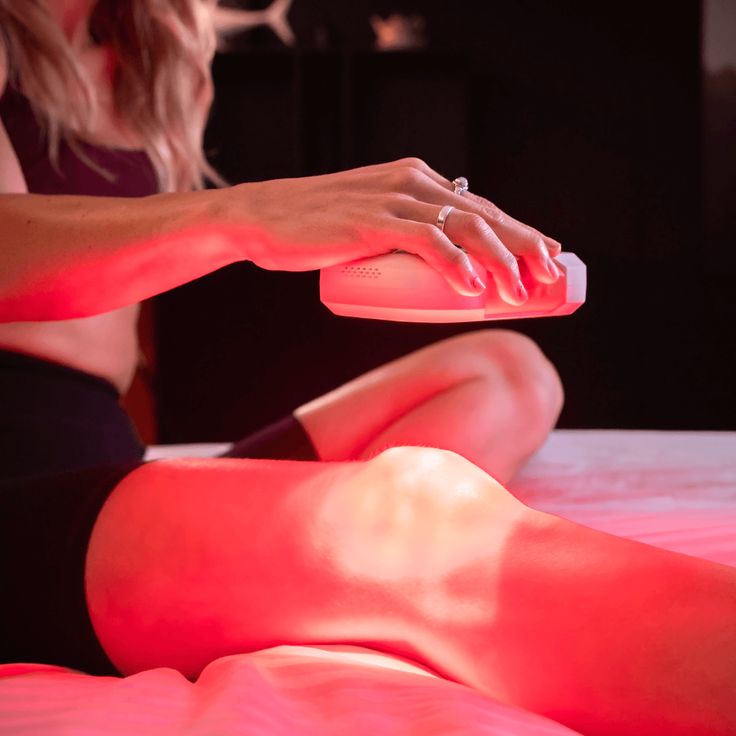
Infrared
nfrared therapy, also known as infrared radiation therapy, is a non-invasive thermotherapy technique used in physiotherapy to relieve pain, improve circulation, relax muscles, and accelerate healing. It works by using infrared light waves to penetrate the skin and deliver heat deep into tissues without direct contact. This type of therapy is commonly used for musculoskeletal conditions, sports injuries, and chronic pain management, and is widely recognized for its comfort, effectiveness, and safety. It also helps reduce joint stiffness and increases tissue extensibility, making movement easier and less painful. Regular sessions can significantly enhance recovery in patients with long-term mobility issues. Additionally, it promotes detoxification by stimulating sweat glands and supporting the body’s natural cleansing processes.
What is Infrared?
Infrared therapy involves the application of infrared radiation (IR) to the body using specialized devices such as infrared lamps, panels, or portable machines. Infrared radiation falls within the electromagnetic spectrum just beyond visible red light, with wavelengths ranging from 700 nanometers (nm) to 1 millimeter (mm). It is categorized into three bands: Near Infrared (IR-A), which ranges from 700 to 1400 nm; Mid Infrared (IR-B), ranging from 1400 to 3000 nm; and Far Infrared (IR-C), which extends from 3000 nm to 1 mm. In the field of physiotherapy, near and mid-infrared wavelengths are most commonly used because they are capable of penetrating the skin up to 2–5 centimeters, effectively delivering therapeutic heat to muscles, joints, and bones.
How Does Infrared?
When infrared radiation is absorbed by the skin, it is converted into heat energy, which in turn stimulates various physiological processes that promote healing and recovery. The therapy is typically delivered using infrared lamps or emitters that are directed toward the affected area for a specific duration and intensity. The therapeutic heat produced by infrared therapy causes vasodilation, or the widening of blood vessels, which increases blood flow, improves oxygen and nutrient delivery, and helps in the removal of metabolic waste products like lactic acid. It also provides effective pain relief by reducing nerve sensitivity and interrupting the pain-spasm-pain cycle, making it suitable for both acute and chronic pain conditions. Additionally, the deep tissue warming effect helps in muscle relaxation, reducing spasms and tension, and thereby supporting rehabilitation and preparation for exercise. Infrared therapy also stimulates cellular metabolism, promoting faster tissue repair and regeneration. By softening connective tissues and enhancing circulation, it contributes to improved joint mobility and flexibility. Moreover, it offers an anti-inflammatory effect, helping to reduce swelling and inflammation in soft tissues, tendons, and joints.
Types of Conditions Treated with Infrared
Infrared therapy has a wide range of applications in physiotherapy and rehabilitation. Some of the most common uses include:
- Musculoskeletal Pain
- Arthritis
- Sports Injuries
- Post-Surgical Rehabilitation
- Chronic Pain Syndromes
Benefits of Infrared
- Safe and comfortable for patients of all ages
- Deep tissue penetration without damaging the skin
- Drug-free pain management
- Complementary to other physiotherapy techniques
- Non-invasive and painless