
Long Wave Therapy
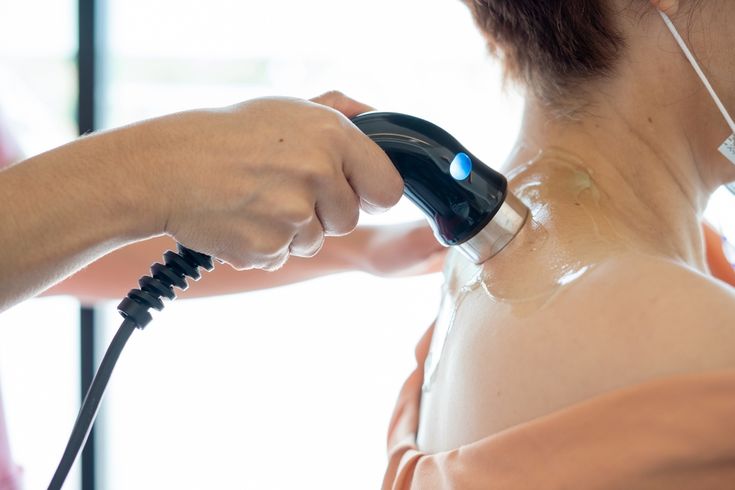
Long Wave Therapy
In the ever-evolving field of physical rehabilitation, Long Wave Therapy has emerged as a reliable and effective treatment modality for pain relief, tissue healing, and musculoskeletal rehabilitation. This non-invasive treatment involves the application of high-frequency currents to stimulate tissues at a deeper level, promoting faster healing, reducing inflammation, and relieving pain without the need for medication or surgery.
What is Long Wave Therapy?
Long Wave Therapy is a form of electrotherapy that uses high-frequency electromagnetic currents—typically around 1 MHz to 3 MHz—to penetrate deep into the body’s soft tissues. These currents stimulate cells, muscles, and nerves, creating both thermal and non-thermal effects that aid in recovery.
While similar in frequency range to ultrasound therapy, Long Wave Therapy is unique because it uses continuous or pulsed electrical energy (not sound waves) and penetrates up to 6-8 cm into tissues. This makes it ideal for treating deeper structures like muscles, ligaments, tendons, and joints that are not easily accessible with superficial treatments.
How Does Long Wave Therapy Work?
Long Wave Therapy works on the principles of electromagnetic energy transmission. In this treatment, electrodes are applied to the skin over the affected area, and a high-frequency current is passed through the tissues. This current produces deep heating and stimulates various physiological responses that aid in healing and recovery. One of the primary effects is the deep thermal effect, where the generated heat increases tissue temperature, enhances blood circulation, promotes oxygen and nutrient delivery, relaxes muscles and connective tissues, and improves collagen elasticity. Additionally, pain modulation occurs as the electrical current disrupts pain signals from peripheral nerves to the spinal cord and brain, while also stimulating the release of endorphins, the body’s natural pain relievers. Another important mechanism is cellular stimulation, where the therapy activates fibroblasts, myocytes, and immune cells, accelerating tissue repair and regeneration. Furthermore, it triggers an anti-inflammatory response by decreasing capillary permeability, improving lymphatic drainage, and enhancing the removal of metabolic waste. Collectively, these effects contribute to effective pain relief, faster healing, and the restoration of functional movement.
Types of Conditions Treated with Long Wave Therapy
- Muscle strains and sprains
- Ligament injuries
- Fibromyalgia
- Hamstring injuries
- Total knee/hip replacements
Benefits of Long Wave Therapy
- Deep Tissue Penetration
- Effective Pain Relief
- Accelerated Healing
- Non-Invasive and Comfortable
- Improves Mobility