
Mobilization
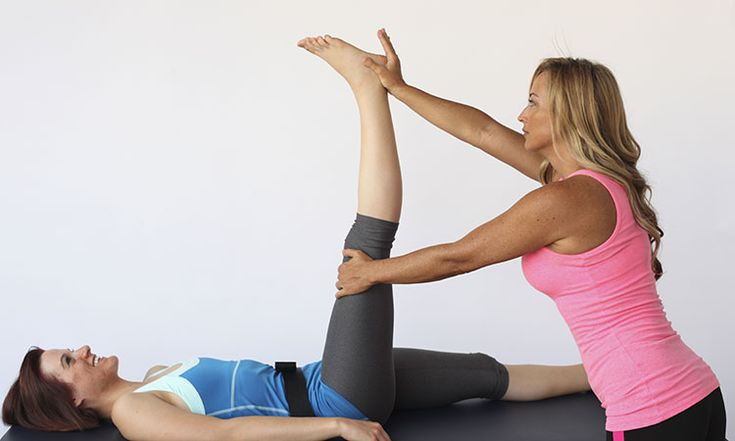
Mobilization
Mobilization therapy is a cornerstone of physiotherapy practice that involves the skilled passive movement of joints, soft tissues, or neural structures to improve mobility, reduce pain, and enhance function. Often used in the management of musculoskeletal disorders, mobilization is a manual therapy technique applied by trained physiotherapists using precise movements at varying speeds and amplitudes. It plays a vital role in treating joint stiffness, restricted movement, post-injury rehabilitation, and chronic pain conditions.
What is Mobilization?
Mobilization therapy refers to passive, manual therapeutic movements applied to joints and soft tissues with the primary goal of restoring normal range of motion (ROM), reducing pain, and improving overall functional performance. Unlike manipulation, which involves high-velocity thrusts, mobilization techniques are typically performed using slow, controlled, and repetitive movements that are gentle and progressive. This therapy can be applied to various structures in the body, including joints (joint mobilization), muscles and fascia (soft tissue mobilization), and neural tissue (nerve mobilization or neurodynamics). Techniques used in mobilization therapy are generally based on established methods such as the Maitland concept, the Kaltenborn method, or Mulligan’s mobilization with movement (MWM), each offering a specific approach to target dysfunction and restore optimal movement patterns.
How Does Mobilization Work?
Mobilization therapy in physiotherapy involves gentle, controlled movements applied to joints, muscles, or nerves to improve mobility, reduce pain, and enhance function. It helps restore normal joint motion, relax tight soft tissues, and improve circulation. By stimulating nerve endings and increasing blood flow, it reduces pain and promotes healing. Mobilization is especially useful for treating stiffness, joint restrictions, and nerve-related conditions, making it a key part of rehabilitation.
Types of Conditions Treated with Mobilization
Mobilization is beneficial for a wide range of neuromusculoskeletal conditions, including:
- Joint stiffness
- Osteoarthritis
- Frozen shoulder
- Mechanical neck or back pain
- Post-surgical rehabilitation
Benefits of Mobilization
- Pain Relief
- Improved Joint Mobility
- Enhanced Circulation
- Reduced Muscle Tension
- Neuromuscular Re-education