
Tecar Therapy
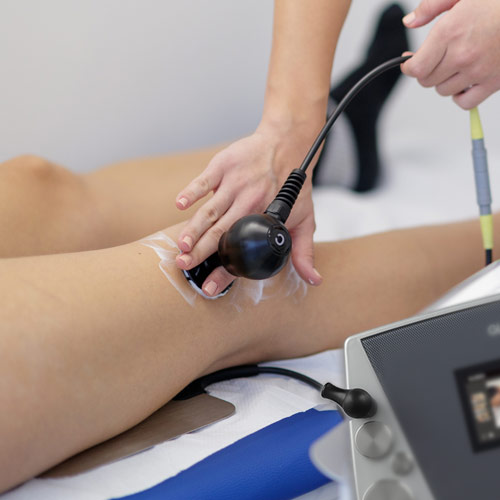
Tecar Therapy
In the ever-evolving world of physical therapy and pain rehabilitation, Tecar Therapy has emerged as a groundbreaking technique, transforming how we manage musculoskeletal disorders, sports injuries, and chronic pain. Known for its rapid recovery effects and non-invasive approach, Tecar Therapy is widely used by physiotherapists, sports medicine professionals, and rehabilitation experts worldwide. This article explores everything you need to know about Tecar Therapy—its science, applications, benefits, and safety profile. With a growing body of clinical evidence supporting its effectiveness, it has become a preferred modality in both acute and chronic care settings. Tecar Therapy not only accelerates healing but also enhances overall patient well-being and mobility.
What is Tecar Therapy?
Tecar Therapy, short for Transfer of Energy Capacitive and Resistive, is an advanced form of diathermy (deep heat therapy) that uses radiofrequency energy to stimulate the body’s natural repair processes. Unlike other electrotherapies that work from the outside in, Tecar works internally by using high-frequency electromagnetic currents (typically at 448 kHz) to activate biological tissues.
It is a non-invasive, painless treatment that doesn’t involve any medication or surgery, making it ideal for patients seeking drug-free recovery options.
How Does Tecar Therapy Work?
Tecar Therapy works by transferring energy through the body using two primary modes: Capacitive Mode (CET) and Resistive Mode (RET). The capacitive mode primarily targets superficial tissues, particularly those with high water content such as muscles and soft tissues. In this mode, a ceramic-coated electrode is used to generate an electric field, producing heat through the body’s natural resistance. This process improves blood flow, enhances cellular metabolism, and increases the supply of oxygen and nutrients to the treated area. On the other hand, the resistive mode is designed to reach deeper and denser tissues like ligaments, tendons, bones, and joints. It uses a metal electrode to deliver energy more effectively to these structures, making it ideal for treating chronic injuries, promoting the healing of joints and fibrotic tissues, and stimulating collagen production. By combining both capacitive and resistive modes, therapists can tailor treatments according to the specific tissue type, depth of injury, and individual patient needs, leading to more targeted and effective therapy outcomes.
Types of Conditions Treated with Tecar Therapy
- Muscle Injuries
- Joint and Bone Conditions
- Tendon and Ligament Injuries
- Post-Surgical Rehabilitation
- Sports Recovery and Performance
Benefits of Tecar Therapy
Tecar Therapy is favored for its fast, effective, and safe outcomes. Some of the most notable benefits include:
- Pain Reduction
- Faster Recovery
- Improved Blood Circulation
- Muscle Relaxation
- Non-Invasive and Painless