
Traction
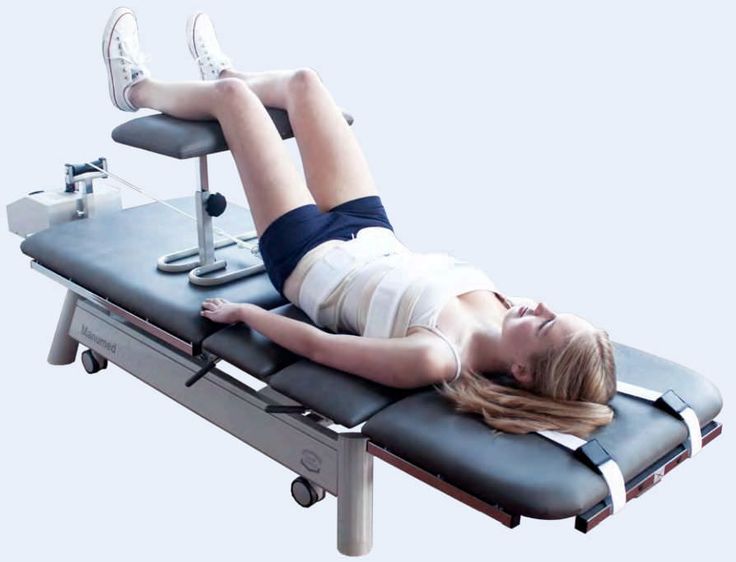
Traction Therapy
In the world of physiotherapy and spinal rehabilitation, Traction Therapy has long been recognized as a safe, effective, and non-invasive treatment for a variety of musculoskeletal and neurological conditions. Most commonly used for spinal decompression and joint mobilization, this therapy aims to relieve pressure on the spine, reduce pain, improve posture, and restore mobility. Whether delivered manually or mechanically, traction has become a trusted modality in both clinical and home-based settings.
What is Traction Therapy?
Traction therapy involves the use of mechanical force to stretch and mobilize the spine or joints in a controlled manner. The primary goal is to relieve pressure on nerves and spinal discs, reduce muscle tension, and create optimal conditions for healing.
In spinal traction, for example, a pulling force is applied to the head, neck, or lower back to increase the space between vertebrae. This reduction in pressure allows bulging or herniated discs to retract, improves circulation to the affected area, and reduces irritation of spinal nerves.
Traction can be applied manually by a therapist, or mechanically using specialized equipment, and it may be used for both the cervical (neck) and lumbar (lower back) spine.
How Does Traction Therapy Work?
Traction therapy works by creating space between compressed joints or spinal vertebrae, effectively relieving pressure on surrounding nerves, muscles, and intervertebral discs. This decompressive effect produces several physiological benefits. Firstly, it promotes spinal decompression, allowing herniated or bulging discs to retract and reducing nerve root compression. Secondly, it leads to reduced nerve irritation, providing relief from symptoms such as pain, tingling, and numbness, commonly seen in conditions like sciatica or cervical radiculopathy. Additionally, the gentle stretching force of traction facilitates muscle relaxation, easing spasms and enhancing overall comfort and flexibility. It also contributes to improved joint mobility by stimulating synovial fluid movement and encouraging smoother joint articulation. Lastly, enhanced nutrient exchange occurs as blood circulation and nutrient delivery to the spinal discs and surrounding tissues improve, accelerating the body’s natural healing and regeneration processes.
Types of Conditions Treated with Traction Therapy
- Cervical and lumbar disc herniation
- Degenerative disc disease
- Sciatica
- Spinal stenosis
- Facet joint dysfunction
Benefits of Traction Therapy
- Non-Surgical Decompression
- Pain Relief
- Improved Mobility
- Safe and Comfortable
- Cost-Effective