
Wax Therapy
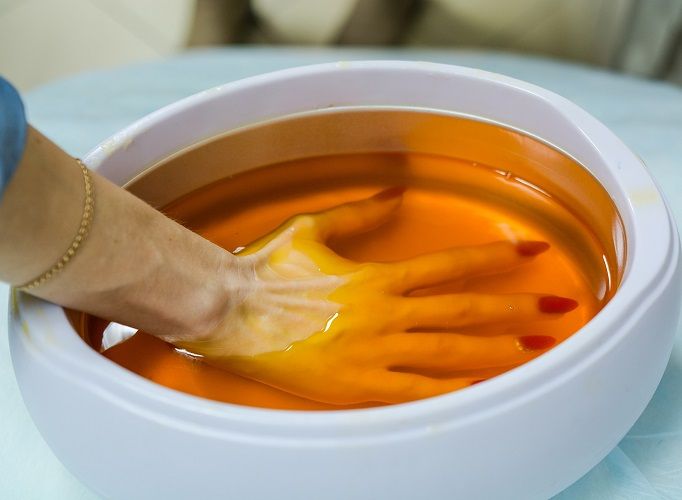
Wax Therapy
Wax therapy, also known as paraffin wax therapy, is a popular superficial heat treatment used in physiotherapy to relieve pain, stiffness, and muscle tension, especially in the small joints of the hands and feet. It is a simple, non-invasive, and soothing treatment modality commonly applied in musculoskeletal, rheumatological, and post-traumatic rehabilitation programs.
Wax therapy is particularly beneficial in treating conditions like arthritis, joint stiffness, and contractures, where gentle heat can enhance joint mobility, reduce pain, and increase circulation in localized areas.
What is Wax Therapy?
Wax therapy involves the use of melted paraffin wax, typically mixed with mineral oils, to create a warm, pliable medium that can be applied to the skin. The wax is heated to a therapeutic temperature (usually between 45°C and 55°C) and applied directly to the affected area, where it retains heat and transfers it slowly and evenly to the underlying tissues.
Once applied, the wax hardens slightly and forms a thick coating, which continues to emit heat for 15–20 minutes, penetrating up to 2–3 cm below the skin surface. This gentle, sustained heating promotes relaxation, improves tissue elasticity, and facilitates therapeutic exercises when used in combination.
How Does Wax Therapy Work?
The mechanism behind wax therapy is rooted in the principles of thermotherapy, which involves the application of heat to biological tissues to trigger beneficial physiological responses. When heated paraffin wax is applied to the skin, it induces vasodilation, thereby increasing blood flow to the targeted area. This enhanced circulation supports a higher metabolic rate, which accelerates tissue healing and repair. Additionally, the heat helps desensitize nerve endings, reducing the perception of pain, while promoting muscle relaxation that eases tension and relieves spasms. Furthermore, it improves the extensibility of connective tissues, which facilitates better joint mobility. Together, these effects make wax therapy an ideal preparatory treatment before engaging in physiotherapy exercises or manual therapy, as it helps to prime the tissues for more effective rehabilitation.
Types of Conditions Treated with Wax Therapy
Wax therapy is mainly used in conditions that benefit from superficial heating and are not in the acute inflammatory stage. Some of the common indications include:
- Rheumatoid Arthritis and Osteoarthritis
- Joint Contractures
- Chronic Tendonitis and Bursitis
- Post-Fracture Stiffness
- Scleroderma and Scar Tissue
Benefits of Wax Therapy
- Reduces joint stiffness and pain
- Improves local blood circulation
- Relaxes muscles and soft tissues
- Promotes skin hydration
- Comforting and psychologically soothing